At 10:54 Beijing Time on July 22, 2026, the Gravity-1 (Flight Y4, Conjoined Satellites Mission) launch vehicle developed by Orienspace ignited and lifted off from offshore waters near Shanghai. The rocket accurately sent nine satellites into their pre-set orbits, marking a complete success of the launch mission.
Fuxi Energy provided the Electrical Power Subsystem (EPS) for the XG-2 01 Satellite in this launch mission. The supporting supply covers the solar array (including mechanical structures and solar cell circuits) and battery packs, which will guarantee steady energy supply for the satellite’s in-orbit operation.

(Image source: Zhongke Xiguang Aerospace)
This launch marks China’s first sea launch of a private commercial rocket in the East China Sea offshore Shanghai within the Yangtze River Delta waters, as well as the third sea flight mission of the Gravity-1 launch vehicle. It expands China’s domestic sea launch coverage to the East China Sea of the Yangtze River Delta. As the world’s most powerful active solid commercial rocket in service, the one-rocket-nine-satellite mission of Gravity-1 symbolizes the gradual maturity of China’s private sea launch system.
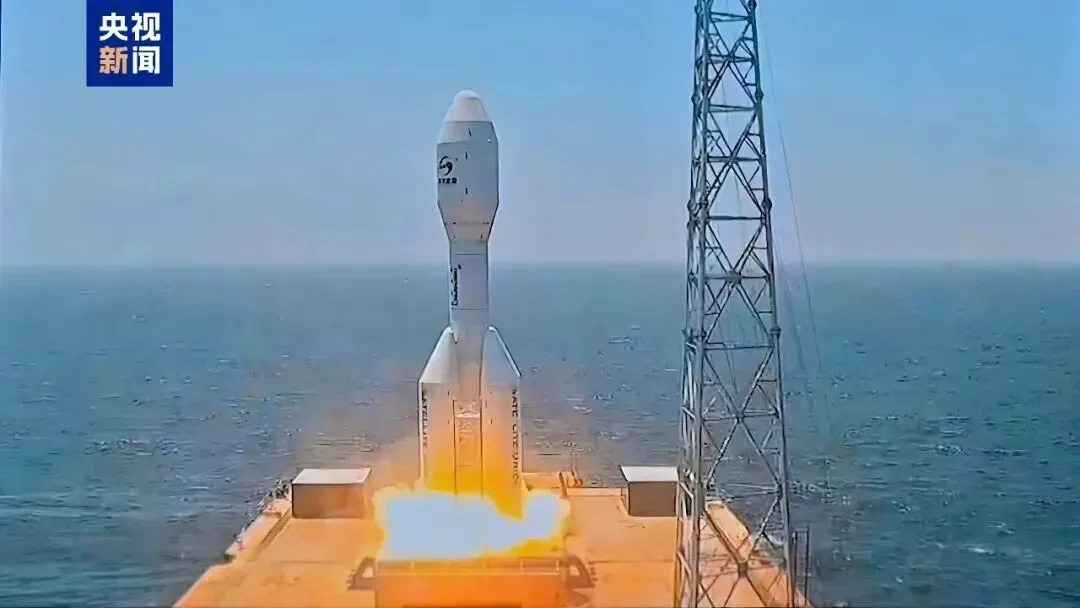
(Image source: CCTV News)
The XG-2 01 Satellite carried on this mission is positioned around the integration of artificial intelligence, commercial aerospace and quantitative remote sensing. Equipped with hyperspectral, panchromatic and on-orbit intelligent processing payloads, it is China’s first hyperspectral satellite adopting the interferometric spectral imaging system in the domestic commercial aerospace field. Achieving breakthroughs in space-based sensing and on-orbit computing, the satellite can deliver observation services for industrial clients engaged in mineral exploration, agriculture and forestry, environmental monitoring, urban planning and other sectors. The power subsystem delivered by Fuxi Energy serves as the core energy carrier of XG-2 01 Satellite. The solar array captures solar energy steadily in orbit with dedicated deployment mechanical structures and radiation-resistant solar cell circuits; the matched battery packs maintain stable electric output to guarantee the reliable operation of the satellite’s remote sensing payloads.
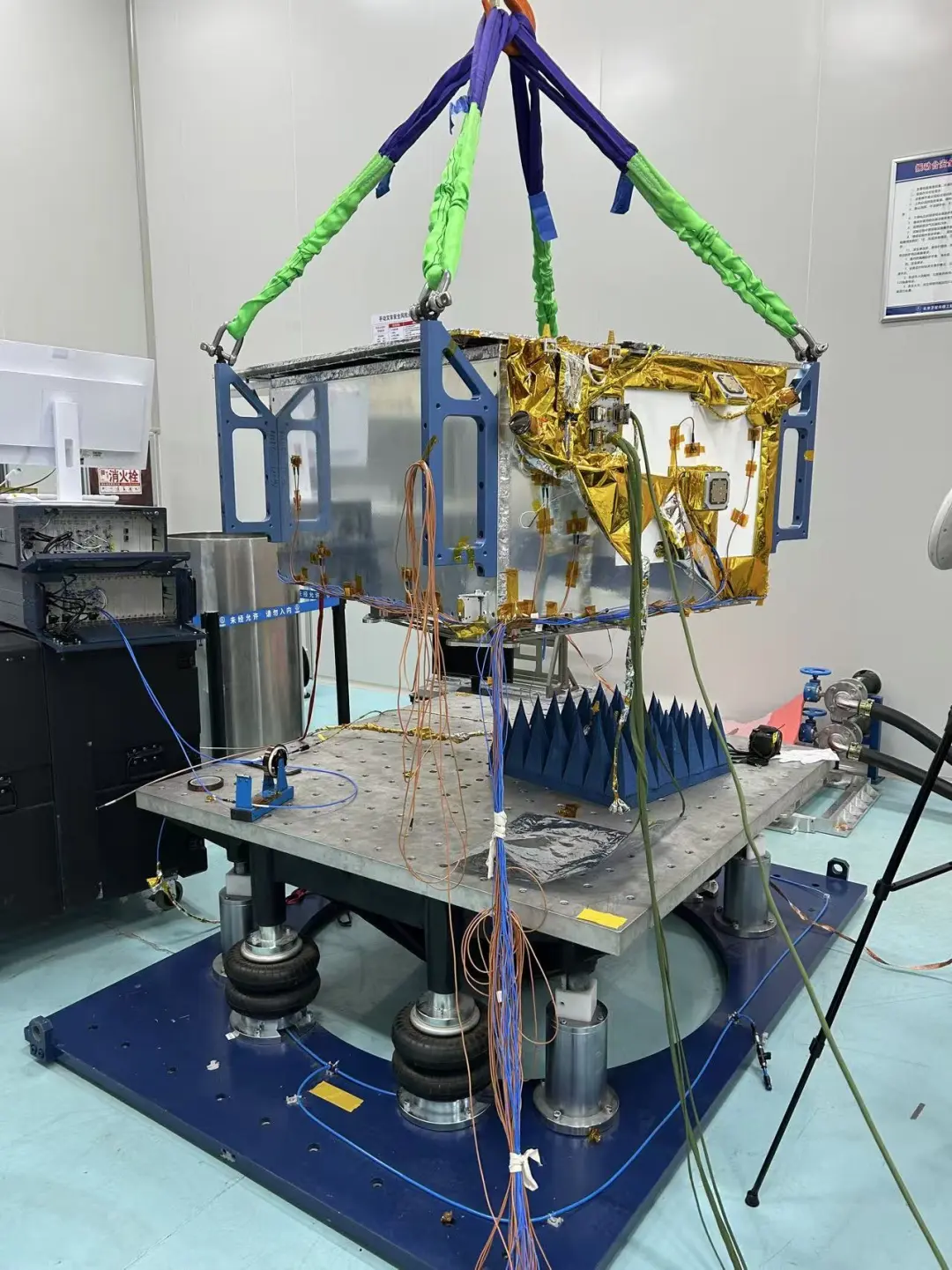
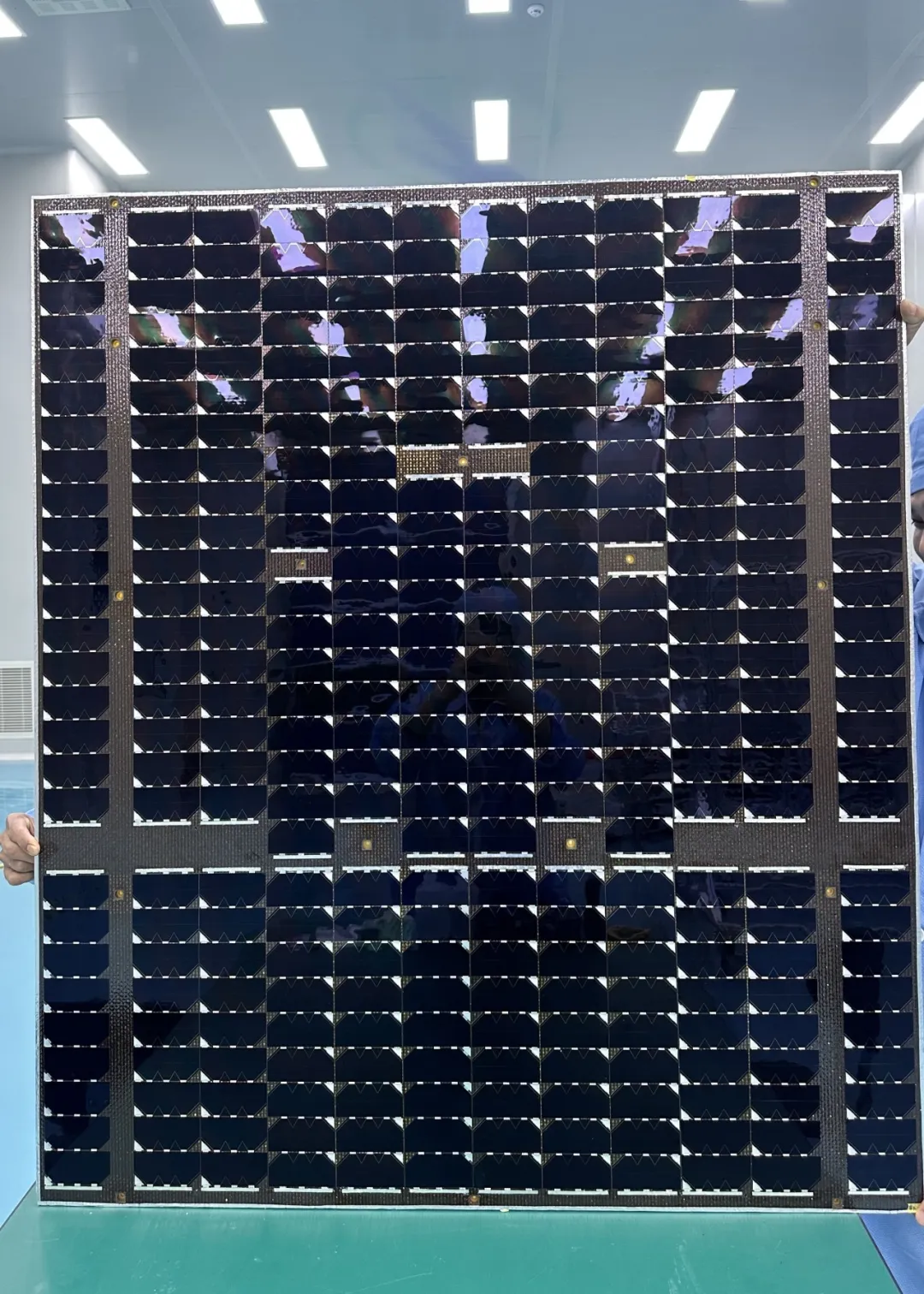
Fuxi Energy focuses on the research & development, manufacturing and application of space energy systems. Its core products include solar arrays, battery packs, power controllers and other related components. The successful in-orbit verification alongside the Gravity-1 Y4 mission marks another practical test of Fuxi Energy’s satellite-borne power products.
Up to now, all the company’s in-orbit products have maintained a 100% stable operation rate, having supported the successful launch of 25 satellites in total. Relying on the industrial advantages of the aerospace industry in the Yangtze River Delta in the future, the company will continuously optimize lightweight and highly reliable satellite-borne power supplies. With self-developed space energy technologies, Fuxi Energy will empower the large-scale development of domestic commercial aerospace.